Would you like to know more about our team at Caritas Czech Republic? We launched a series of interviews with our colleagues who will tell you more about our work across the world. This time we interviewed Gevorge Jenderedjian, our Senior Livelihoods Technical Advisor from our country office in Iraq.
– Humanitární pomoc a rozvojová spolupráce Charity ČR
They live in different countries, sometimes ten thousand kilometres apart. Yet they have many things in common. Women who work at the Caritas Czech Republic and women who have received support from Caritas to get back on their feet. Who are the women of the Caritas Czech Republic and what do they wish for International Women's Day?
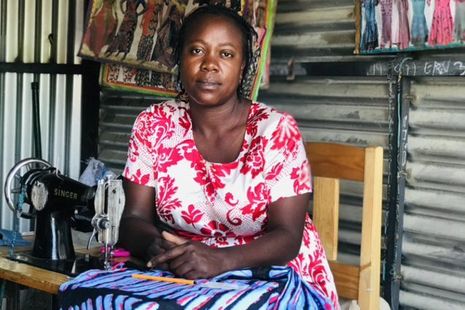
Yasmine Raed Najm is a married woman with three children from the Al-Muhammadi sub-district, Al-Heet district, Anbar Governorate. She has always dreamed of starting her own business and helping other women of her area. But in Iraq after the conflict, it was not easy. Thanks to Caritas Czech Republic and UNDP, Yasmine was able to open her salon.
– Humanitární pomoc a rozvojová spolupráce Charity ČR
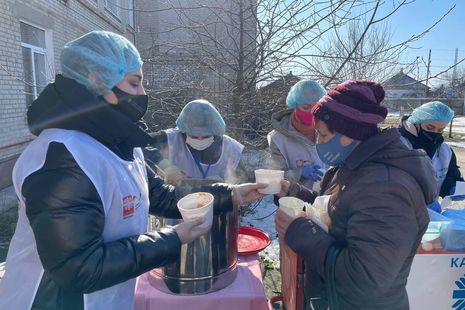
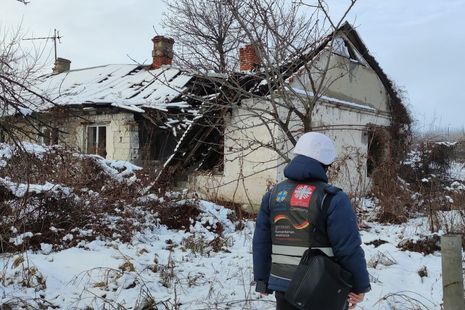
The security and humanitarian situation in Ukraine is critical. Caritas is helping the war-affected population despite the ongoing fighting. It is helping internally displaced people to secure basic needs - water, food, shelter - and providing psychological support. Caritas Czech Republic has sent the first part of financial aid to Ukraine, and is providing assistance to Ukrainians fleeing to the Czech Republic.
– Humanitární pomoc a rozvojová spolupráce Charity ČR
“The events which began early this morning will inevitably lead to a colossal humanitarian catastrophe. It is impossible to believe that in the 21st century in the centre of Europe people have to wake up at 5am from explosions and the sound of air raid sirens,” said Tetiana Stawnychy, President of Caritas Ukraine, in reaction to the full-scale attack launched in the early hours of today in the country. Caritas is deeply concerned about the impact of this intervention on the local population, who have already been living in a critical condition eight years after the start of the crisis that killed 14,000 people and displaced another 1.5 million. The COVID-19 pandemic has also greatly aggravated the situation.